
Thanks to donor support, hope turned into more tomorrows for Mark.
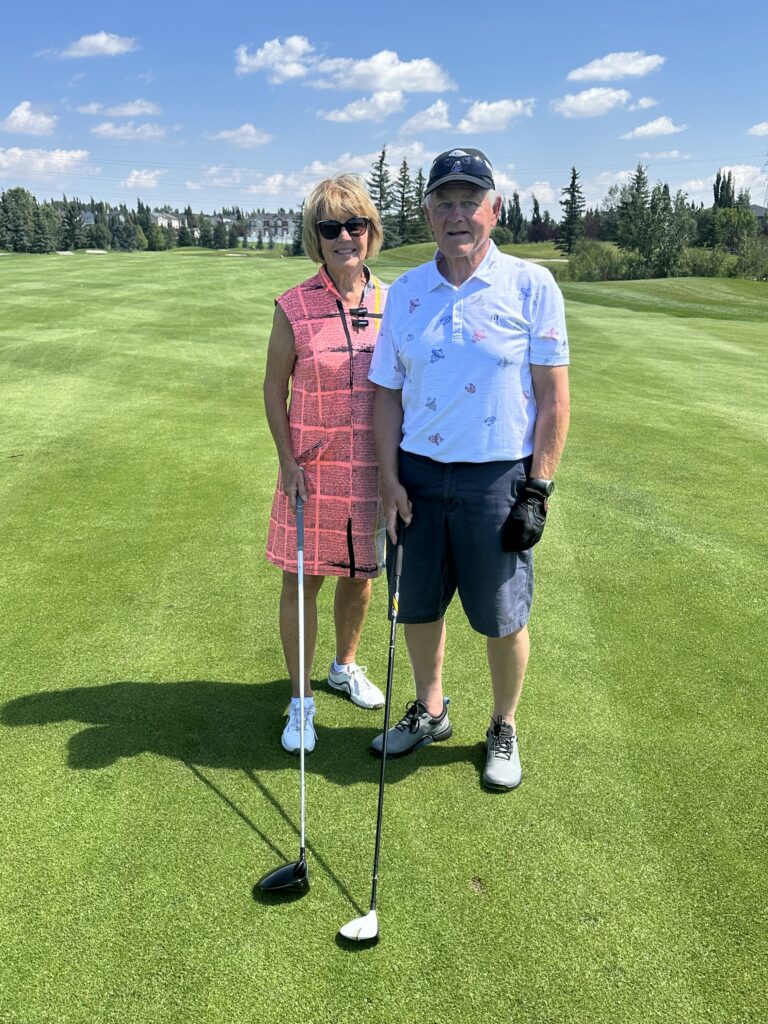
Mark has always been someone who stays active and engaged with life. In his 70s, he was healthy, energetic, and happiest when he was on the move—whether that meant golfing, curling, playing hockey, or going for walks with his wife, Rhonda.
That changed in the summer of 2024.
In June of that year, Mark began experiencing persistent hip pain. At first, it was something he tried to push through, but by August the pain became unbearable, leading him to the emergency room. When his symptoms continued into September, his family physician recommended Mark return to the hospital. It was then that he was diagnosed with B-cell lymphoma.
Further testing and a biopsy helped identify the best option to treat Mark’s cancer. And shortly after that, he began chemotherapy. Mark tried to remain strong and endured the treatment with determination and the support of his family.
Sadly, after months of chemotherapy, Mark and his family learned that the treatment had been unsuccessful. The news was devastating.
Thanks to donors, Manitoba is now home to a CAR T-cell therapy program built on research advancements and now delivered at the Paul Albrechtsen Research Institute CancerCare Manitoba. This innovative therapy works by training the body’s immune system to recognize and attack cancer cells.
Mark and his family learned that he was eligible for CAR T-cell therapy. It was his only remaining treatment option–and it exists in Manitoba today thanks to your support. Mark’s own T-cells were collected and reprogrammed to fight his cancer. Then, in early March they were reintroduced to his body.
Mark spent several difficult weeks in the hospital as his body worked to attack the cancer cells. While the side effects were intense, his care team saw signs that the treatment was progressing as they had hoped.
“CancerCare Manitoba staff became like family to us,” says Mark’s wife Rhonda. “Not only did Mark receive exceptional medical care, but there was also so much compassion and reassurance when we needed it the most.”
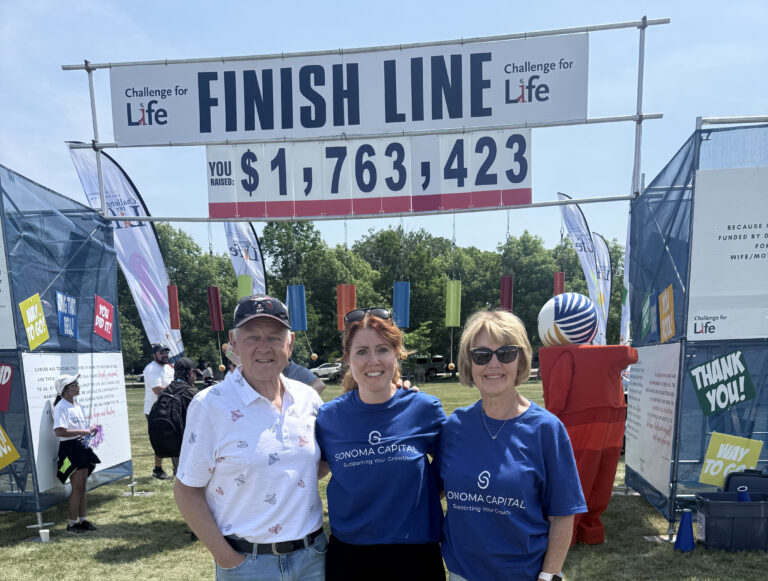
Mark and his family were happy when he was discharged from the hospital. But he still had a long recovery ahead of him and still required close monitoring by his care team. Mark had to relearn how to walk and eat and relied deeply on his wife Rhonda, his children and his grandchildren. Slowly, strength returned.
Later that spring, Mark and his family received incredible news–his cancer was in remission.
Today, Mark walks daily, curls regularly, and is back golfing. He and Rhonda spent last summer at their cottage at Lester Beach, tackling projects and enjoying the life they built together.
Mark’s story is one of resilience, family and hope—and a powerful reminder of how donors make a difference for Manitobans diagnosed with cancer. Because of donors, innovative treatments exist, and people like Mark can have more tomorrows with the people they love.